


How to Protect Your Business from Phishing Attacks
Learn to identify and defend against phishing attempts that target your employees and sensitive business data.
- CHMS Security Team
- 10 January 2024
- 6 min
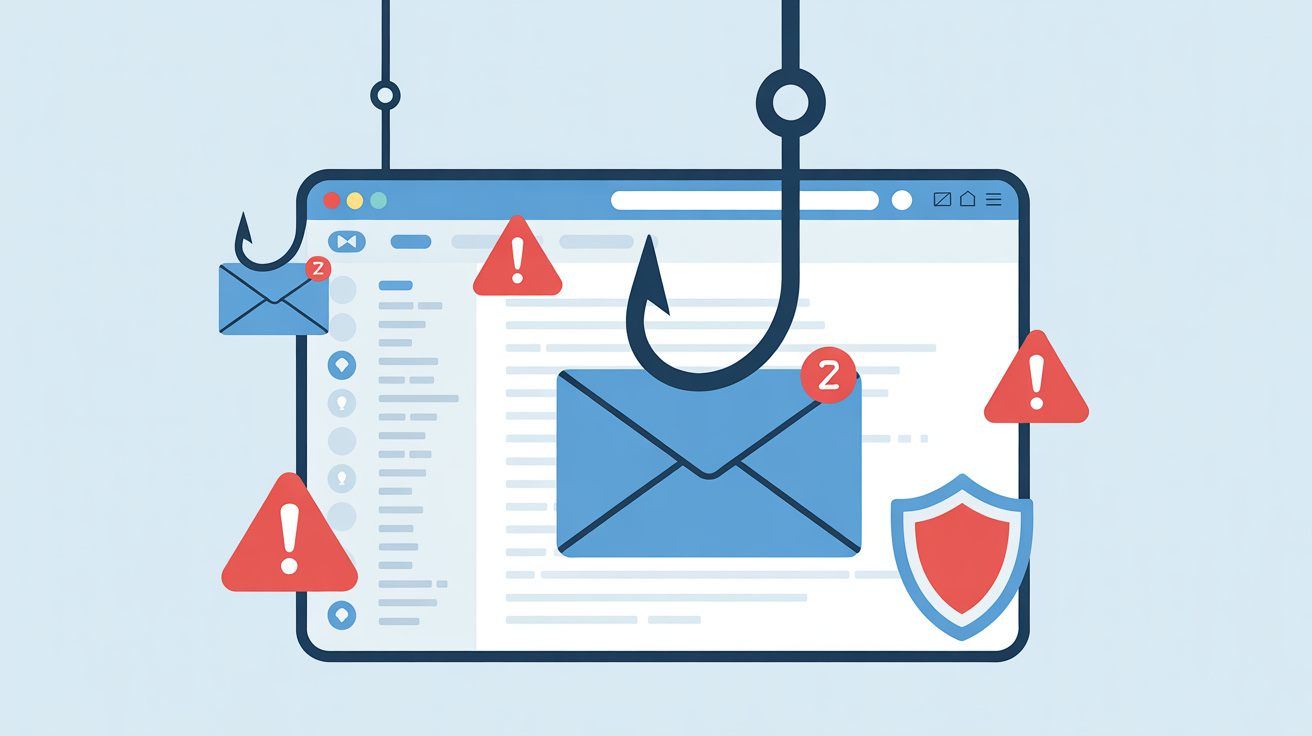
Phishing attacks have become increasingly sophisticated, with cybercriminals using advanced social engineering techniques to trick even security-conscious employees. In 2023, 83% of organizations experienced successful phishing attacks, making this one of the most prevalent cybersecurity threats facing businesses today.
Understanding Modern Phishing Tactics
Today's phishing attacks go far beyond the obvious "Nigerian prince" emails. Modern attackers conduct extensive research on their targets, using information from social media, company websites, and public records to craft convincing messages that appear to come from trusted sources.
Common Types of Phishing Attacks
1. Email Phishing
The most common form, where attackers send fraudulent emails that appear to come from legitimate sources. These often contain malicious links or attachments designed to steal credentials or install malware.
2. Spear Phishing
Highly targeted attacks aimed at specific individuals or organizations. Attackers research their targets extensively to create personalized, convincing messages.
3. Whaling
A form of spear phishing that specifically targets high-level executives or decision-makers, often involving sophisticated business email compromise schemes.
4. Smishing and Vishing
Phishing attacks conducted via SMS (smishing) or voice calls (vishing), often targeting mobile device users with urgent-sounding requests.
Red Flags: How to Identify Phishing Attempts
Train your team to recognize these warning signs:
Building Strong Email Security Defenses
1. Technical Solutions
2. User Education and Training
3. Multi-Layered Authentication
Creating an Effective Incident Response Plan
When a phishing attack is suspected:
1. **Immediate Response**: Disconnect affected systems from the network
2. **Assessment**: Determine the scope and impact of the potential breach
3. **Containment**: Prevent further damage and unauthorized access
4. **Recovery**: Restore systems and implement additional safeguards
5. **Lessons Learned**: Update training and security measures based on the incident
Building a Human Firewall
Your employees are your last line of defense against phishing attacks. Create a culture where:
Measuring Success
Track key metrics to evaluate your anti-phishing program:
Remember, defending against phishing requires both technical solutions and human vigilance. By combining robust email security technology with comprehensive employee training, you can significantly reduce your organization's risk of falling victim to these increasingly sophisticated attacks.