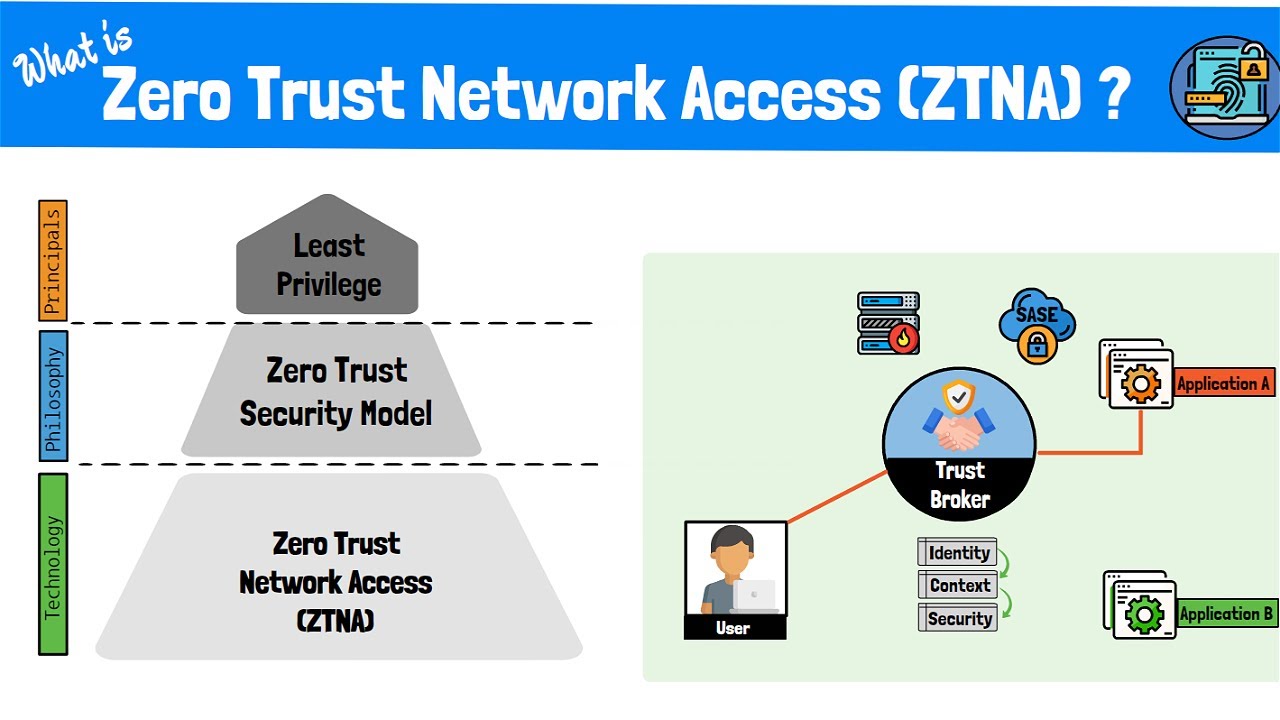
Zero Trust security has evolved from a buzzword to a fundamental security architecture that organizations worldwide are adopting to protect against sophisticated cyber threats. Unlike traditional perimeter-based security models, Zero Trust operates on the principle of "never trust, always verify," fundamentally changing how we approach cybersecurity.
The Evolution Beyond Perimeter Security
Traditional security models relied on the concept of a secure perimeter, where anything inside the network was considered trusted and anything outside was considered untrusted. This castle-and-moat approach worked when most users and data resided within physical office boundaries. However, the modern digital landscape has rendered this model obsolete.
Why Traditional Security Models Fail:
Remote work has dissolved network perimetersCloud services operate outside traditional boundariesMobile devices access corporate resources from anywhereInsider threats can bypass perimeter controlsAdvanced persistent threats can move laterally once insideCore Principles of Zero Trust Architecture
1. Verify Explicitly
Always authenticate and authorize based on all available data points, including user identity, location, device health, service or workload, data classification, and anomalies.
2. Use Least Privilege Access
Limit user access with just-in-time and just-enough-access (JIT/JEA), risk-based adaptive policies, and data protection to help secure both data and productivity.
3. Assume Breach
Minimize blast radius and segment access. Verify end-to-end encryption and use analytics to get visibility, drive threat detection, and improve defenses.
Building Blocks of Zero Trust Implementation
Identity and Access Management (IAM)
User Identity Verification:
Multi-factor authentication for all usersRisk-based authentication based on behavior and contextContinuous identity verification throughout sessionsPrivileged access management for administrative accountsDevice Identity and Health:
Device registration and compliance verificationContinuous monitoring of device security postureConditional access based on device healthMobile device management and protectionNetwork Security and Micro-Segmentation
Software-Defined Perimeters:
Create encrypted micro-tunnels for each connectionAuthenticate users and devices before granting network accessHide applications and services from unauthorized usersMonitor all network traffic in real-timeMicro-Segmentation Strategies:
Segment networks based on user roles and data sensitivityImplement granular access controls between network segmentsUse software-defined networking for dynamic segmentationApply least-privilege principles to network accessData Protection and Classification
Data-Centric Security:
Classify data based on sensitivity and business impactApply appropriate protection controls to each data categoryImplement data loss prevention (DLP) across all channelsUse encryption and rights management to protect sensitive dataZero Trust Data Access:
Verify user authorization for each data access requestMonitor and log all data access activitiesImplement dynamic access controls based on data sensitivityUse behavioral analytics to detect anomalous data accessApplication Security Integration
Secure Application Access:
Implement single sign-on (SSO) with strong authenticationUse application-level security controls and monitoringDeploy web application firewalls (WAF) for protectionRegular security testing and vulnerability assessmentsAPI Security:
Secure all application programming interfaces (APIs)Implement API gateways with authentication and rate limitingMonitor API usage for suspicious activityUse API security scanning and testing toolsZero Trust Implementation Roadmap
Phase 1: Assessment and Planning (Months 1-3)
Inventory all users, devices, applications, and dataAssess current security controls and identify gapsDefine Zero Trust architecture and implementation strategyEstablish governance and change management processesPhase 2: Identity and Access Foundation (Months 4-9)
Implement strong identity and access managementDeploy multi-factor authentication across all systemsEstablish device compliance and management policiesBegin user behavior analytics implementationPhase 3: Network Segmentation (Months 10-15)
Implement micro-segmentation for critical assetsDeploy software-defined perimeter solutionsEstablish secure remote access capabilitiesEnhance network monitoring and visibilityPhase 4: Data Protection (Months 16-21)
Implement data classification and labelingDeploy data loss prevention solutionsEnhance encryption and key managementEstablish data access monitoring and controlsPhase 5: Application Integration (Months 22-24)
Integrate applications with Zero Trust architectureImplement application-level security controlsDeploy secure development practicesEstablish continuous security monitoringOvercoming Zero Trust Implementation Challenges
Cultural and Organizational Challenges:
Resistance to change from users and IT teamsLack of executive support and understandingInsufficient security skills and expertiseComplex integration with legacy systemsSolutions:
Develop comprehensive training and awareness programsStart with pilot projects to demonstrate valueInvest in security team training and developmentPlan for gradual migration from legacy systemsTechnical Implementation Challenges:
Integration complexity with existing infrastructurePerformance impact on user experienceCost of new security tools and technologiesMaintaining business continuity during transitionSolutions:
Use phased implementation approachConduct thorough testing before full deploymentOptimize performance through proper configurationDevelop comprehensive business continuity plansMeasuring Zero Trust Success
Key Performance Indicators:
Reduction in security incidents and breach impactImproved mean time to detection and responseEnhanced user experience and productivity metricsCompliance with security policies and regulationsCost reduction through improved security efficiencyContinuous Improvement:
Regular security assessments and gap analysisUpdate policies based on threat landscape changesEnhance controls based on lessons learnedOptimize performance and user experienceThe Future of Zero Trust
Zero Trust is not a destination but a journey of continuous improvement. As organizations mature their Zero Trust implementations, they're incorporating advanced technologies like artificial intelligence, machine learning, and automated response capabilities to enhance their security posture further.
Emerging Trends:
AI-driven threat detection and responseAutomated policy enforcement and adjustmentIntegration with cloud-native security servicesEnhanced user experience through seamless securityZero Trust architecture represents a fundamental shift in how we think about cybersecurity. By implementing these principles and practices, organizations can build more resilient, adaptive security postures that protect against both current and future threats while enabling business agility and growth.